Today: 9:00AM - 7:00PM
Blog / Brake Service

Blog

All Brake Service Around South Carolina Orangeburg Kia Dealer Car Tips and Tricks New Kia Models Kia Models Local Area Orangeburg Kia Service Road Trips Summer Fun Vehicle Safety Tips 2025 Models Burns Kia Service Family Fun Technology Kia Fun Safety Features Orangeburg Used Cars Financing Burns Kia Test Drive 2024 Model Year Kia SUV 2024 Models Engine Service Spring Fun Infotainment EV Fall Fun Local Parks Trim Levels Camping Kia Seltos Kia Telluride Hybrid Orangeburg Restaurants Hiking Kia Carnival 2023 Models 2026 Models Birdwatching Brake Pads Kia EV9 Kia Sportage Orangeburg Shopping Kia Awards Kia Niro Hybrid Kia Sorento Kia Soul Local Restaurants 2020 Kia Telluride Accessories Air Conditioning System Kia Forte Oil Change K5 Kia K4 Niro EV Warranty 2023 Kia Rio Air Filters Headlights Kia Niro EV Oil Filter Orangeburg Thrift Tire Replacement 2023 Kia K5 2023 Kia Sportage 2023 Sorento Hybrid Kia Carnival MPV Kia Hatchbacks Kia K5 Kia Rio 5-Door Kia Sportage Hybrid Tow Capacity
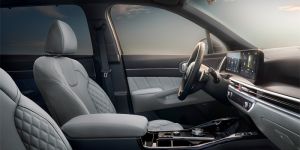
An interior photo of a 2025 Kia Sorento Plug-in Hybrid parked outdoors near Orangeburg, South Carolina

Introducing the 2025 Kia Sorento Plug-in Hybrid: Efficiency Meets Space

Sporting a bold new look and exciting new tech features, the 2025 Kia Sorento Plug-in Hybrid returns better than ever this year. Its versatile powertrain adapts to your daily needs, providing all-electric range for short trips around town and impressive hybrid efficiency for longer trips. With seating for six and an intuitive infotainment system, everyone will enjoy the journey, no matter where it leads. more The Redesigned 2025 Kia Sorento Plug-in Hybrid Outside, the Sorento Plug-in Hybrid's new shape is accented with 19-inch alloy wheels and LED projector headlights that improve visibility and efficiency. Its six-passenger cabin features second-row captain's chairs, which slide and fold with one touch to let third-row passengers in and out or to add more cargo space. The new EX trim level comes with SynTex-trimmed seats, while the SX Prestige features genuine leather. Convenience comes standard on the Sorento Plug-in Hybrid, with features like its Smart Power Liftgate, which opens hands-free when you stand behind it with your Smart Key. The cargo area has 12.6 cubic feet of space, plus a dual-level cargo floor that provides additional hidden storage. Folding both rows of rear seats yields 75.5 cubic feet of storage space for large items. Capability and Efficiency Under the hood, the Sorento Plug-in Hybrid has a 1.6-liter turbocharged 4-cylinder engine and hybrid system, which put out a combined 261 horsepower and 258 lb.-ft. of torque. Its fully independent suspension provides confident handling through curves, while standard Torque-Vectoring All-Wheel Drive provides added traction when road conditions are less than perfect. What's New This Year The Sorento Plug-in Hybrid's new exterior design features include Star Map front and rear lighting, amber Daytime Running Lights, and a trio of new paint colors, including Cityscape Green, Mineral Blue, and Volcanic Sand. Inside, there's a new 12.3-inch touchscreen with navigation and an available 12.3-inch curved instrument display, which combine to create a single panoramic panel. Standard on the SX Prestige trim, Highway Driving Assist 2 is available on the Sorento Plug-in Hybrid for the first time this year. This impressive driver assistance technology can control your vehicle's steering and speed on compatible highways. If you're in the market for a spacious SUV that can reduce your carbon footprint and save you money at the pump, the Sorento Plug-in Hybrid is a must-see. To get behind the wheel on a test drive, contact our sales department at Burns Kia in Orangeburg, SC.

Maintenance service technician near Orangeburg, South Carolina

Routine Kia Maintenance: Keeping Your Car at Its Best

Completing regularly scheduled Kia maintenance is key to ensuring your vehicle's longevity. Whether you plan to do it yourself or visit your Kia dealer, learn about the maintenance that's essential to keeping your Kia in top performance. more Performing routine maintenance on your Kia helps prevent larger issues down the line and keeps your Kia operating at its best. Many drivers may do their own oil changes, but most will head to the dealer for tire rotations and brake services. Your Kia owner's manual will state which services should be completed and how often. Depending on your driving habits, you may need to have brake pads or rotors replaced sooner than other drivers, but in any given year, you'll probably need to complete the following: Oil change service Tire rotation Engine and cabin air filter replacement Dealer or DIY Maintenance ​If you're mechanically inclined, doing your own maintenance is an attractive way to save money. However, if you don't ​already have the tools, time, and foundational knowledge, maintaining your ​Kia alone can be an uphill battle. By visiting a dealer, you'll have peace of mind knowing that your vehicle is receiving the best care for its needs, whether that's using the proper engine oil or performing a thorough multi-point inspection. Kia Dealer Maintenance Services Our service department will ensure your Kia stays up to date with its maintenance schedule. If you live within 10 miles of our dealership, we also provide free shuttle transportation while you wait. You can schedule your maintenance at the dealer as needed or in accordance with your Kia Care Choice Service Plan. Kia Care Choice Service Plan The Kia Care Choice Service Plan packages routine maintenance services into four tiers, with the highest offering the most comprehensive set of services. Kia Care The basic Kia Care level includes two benefits: oil changes and Kia rewards vouchers. Oil changes include filter replacements, and you'll also get a multi-point inspection. Kia Care Essential Kia Care Essential includes all of the same services as Kia Care and adds tire rotations and cabin air filter replacement Kia Care Plus With Kia Care Plus, you gain the key fob replacement benefit. This level also includes the oil changes and dealer voucher benefits, but it doesn't include engine or cabin air filter replacements. Kia Care Premium ​Kia Care ​Premium is the top-level Kia Care Choice ​Service Plan. It ​includes every service offered: Oil changes Tire rotations Loyalty rewards vouchers Key fob replacement Engine and cabin air filter replacement Taking your Kia to the dealer is the easiest way to ensure it stays on track with its routine maintenance. Visit Burns Kia in Orangeburg, SC to learn about our dealership's maintenance services.

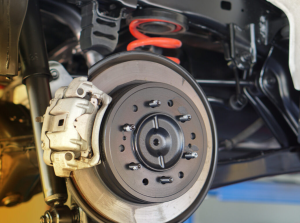
A brake system being serviced on a car near Orangeburg, SC

When to Get Your Kia's Brakes Serviced

Cruising in your Kia should be nothing but smooth sailing, whether you're driving down the freeway or easing to a stop at a light. Your brakes play a huge role in making sure those stops are not just smooth but also safer. To keep them ready for action, they'll need regular Kia brake service. Here's what you need to know about your brakes, courtesy of your Kia dealer. more How Often You Need a Kia Brake Service There's no one-size-fits-all schedule for giving your brakes a once-over. It really depends on your driving style. You should aim to get them looked at about once a year. A handy tip? Get your brakes inspected every time you're in for a tire rotation, which is roughly every six months or 6,000 miles. It's a great way to stay ahead of any brake issues. Why Your Brakes Need to Be Serviced Brake servicing is sometimes about more than safety, it's also about maintaining their performance. Over time, brake pads wear down, brake fluid can become contaminated, and rotors may need resurfacing or replacing. Regular servicing ensures that every component of your brake system is in peak condition, preventing more expensive repairs down the line. What Happens During a Brake Service Pad and shoe inspection Brake fluid check Rotor and drum inspection Line and hose check System cleanup and adjustment Signs You May Need to Visit the Kia Dealer for Brake Service Squeaks and Grinding Sounds Does hitting the brake pedal cause squealing or grinding sounds? That's a tell-tale sign your brake pads are likely worn out and need replacing. Shaky Brakes Feeling a shiver through your car or pulsing in the brake pedal when you press it? This could mean your rotors are warped and need to be replaced. Brake Pedal Feels Soft If the brake pedal feels unusually soft or sinks to the floor, it could mean there's air in the hydraulic system or a problem with the brake fluid. Car Pulls to One Side While Braking Is your Kia veering to the side when you brake? It could be due to even wear on the brake pads or issues with the brake fluid. Brake Warning Light This one might seem obvious but if your brake warning light comes on, it's time to get your brakes checked out immediately. Leaking Fluid Spotting a pool of fluid under your car could mean a leak in the brake system, which needs immediate attention. Keeping up with your Kia's brakes means more than just taking care of your car: you're also taking care of everyone in it. Whether you're noticing signs of trouble or it's been a while since you checked your brakes, call Burns Kia in Orangeburg, SC, to schedule a service.

A person working with their local auto service tech to buy parts near ORangeburg, South Carolina.

5 Benefits of Getting OEM Parts for Your Kia

As a Kia owner, you should only use genuine OEM components available at your local Kia dealer for all vehicle repairs. OEM parts are engineered by Kia for your make and model, unlike aftermarket parts that are made by third-party manufacturers. Here is why buying OEM Kia parts is the smart choice for your vehicle. more 1. The Perfect Fit for Your Kia OEM components are an exact match for your Kia. They provide a seamless fit, function, and integration with your vehicle's systems. Since they are made using the same high-precision specifications as your original components, you can trust that they will align perfectly and perform optimally. This is unlike aftermarket parts, which often have integration issues and can prevent your Kia from running smoothly. 2. Promote Overall Automotive Health Factory parts keep all aspects of your vehicle running optimally. They support engine performance and uphold your Kia's reliability and safety standards. This leads to improved fuel economy and an enhanced driving experience. Generic parts may have inferior components that compromise the vehicle's performance or cause premature wear and tear on key components. 3. Enjoy Hassle-Free Ordering Buying OEM Kia parts through your trusted dealer makes the process smoother. Dealers keep an extensive inventory of parts in stock, ensuring fast ordering and installation. If you need a part that isn't available at the dealership, your dealer can order it from Kia and install it for you. Choosing your part is quick and easy, which isn't always the case when shopping for generic parts. 4. Preserve Your Kia's Warranty Generic parts can cause your vehicle's components to malfunction or wear out prematurely. The damage resulting from the use of unauthorized parts can invalidate your factory warranty and cost you money. Using original factory parts guarantees that your warranty will remain intact for years down the road. OEM Kia parts even come with a one-year warranty for further protection. 5. Save Money in the Long Run Although factory parts cost more upfront than generic ones, they save you money over the vehicle's lifetime. OEM components are built to last and made using high-grade materials, so they don't wear out fast. If you plan to sell your Kia in the future, using factory parts enables you to preserve the vehicle's value. As a result, you will make more money from the sale. Generic parts may be cheaper, but they tend to wear out faster and need repairs and replacement sooner than factory parts. This ends up costing you more money and hassle over time. Aftermarket parts diminish a vehicle's value over time, so if you sell the Kia, you will make less money. OEM components will keep your Kia running smoothly and safely. Since the parts are available at the local dealership, you can fix your vehicle and get it back on the road immediately. Contact Burns Kia to order genuine factory parts for your vehicle.

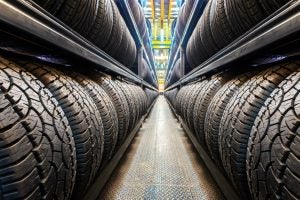
A photo of a tire storeroom taken near Orangeburg, South Carolina.

Does Your Kia Need New Tires?

It's crucial to have sufficient tread on your tires to ensure proper handling and control of your Kia. Below, your Kia dealer helps you to determine when your Soul, Sportage, or Sorento needs new tires. more Check the Tire Tread Depth If you look closely at your tires and notice that the tread appears worn, check the tread depth. There are a couple of ways you can do this. One way is to use a gauge to measure the tread depth. If it's lower than 2/32 inches, you need to replace your vehicle's tires. Another way is to insert a penny into the grooves between the treads with Lincoln's head pointed down. If you can't see his head, your tread is still good. However, the tread is too shallow if you can see his head. You Can See the Wear Indicator Bars The flat rubber bars that run perpendicular to the direction of the tread are called wear indicator bars. When tires are new, you can barely see the bars, and as you drive and your tires wear down, the bars become more visible. If you can see the bars, your tires are worn and need replacing. The Tires Are Worn Unevenly Different parts of a tire can wear at different rates. Various factors, including improper inflation and misalignment, can cause uneven wear. To avoid this, ensure your tires are always inflated to the proper pressure levels and regularly rotated to prevent uneven tread wear. A Tire Is Damaged Inspect the sidewalls of your tires regularly for cuts or cracks that could cause leaks or, even worse, a blowout. It's crucial not to ignore any damage to the sidewalls of your tires. If the outer surface weakens, it can cause bulges, leading to a blowout. Your Tires Are Old Keep an eye on the age of your tires, even if the tread still looks good and there isn't any visible damage. The combination of extreme temperatures, exposure to sunlight, and road conditions can cause structural changes that can impact the overall safety of your tires. Tire manufacturers suggest replacing tires anywhere between six to ten years. Be sure to check your specific tire brand for more detailed replacement specifications. Install Quality Tires When it's time to replace your car's tires, rely on us for a wide selection of quality brand tires at prices that won't break the bank. We'll even refund you the difference if you find a better price elsewhere within 30 days. Plus, we include a 24-month road hazard coverage on eligible tires, and if you get a flat, we will cover you for up to $20. Tires are expensive, and to help you, we offer financing options through Sunbit with convenient monthly payments. Our helpful tire specialists will assist you in finding the correct quality tires for your model, and our Kia technicians will handle the installation with expert precision. When you've got a good set of tires on your car, your Kia will handle better, and you'll be safer on the road. Stop at Burns Kia today for exceptional customer care, quality tires, and an expert tire installation.

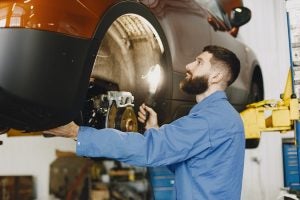
A car mechanic performing brake service near Orangeburg, South Carolina.

How Often Should Your Kia Get Routine Brake Service?

Of the 300,000 auto accidents that brake failure causes each year in the US, most could be prevented with more diligent maintenance. As important as brakes are to your safety, it's essential to have them serviced often. How often depends largely on your regular driving habits and conditions. Let's look in detail at how many times a year you should visit your local Kia dealer for a brake service. more It's generally recommended to have your brakes serviced at least once every 5,000 to 7,000 miles. This usually works out to every six months or so for most drivers. This interval coincides nicely with regular oil changes and tire rotation. How Long Different Components Last The primary purpose of brake servicing is to check the various brake components for signs of damage or excessive wear and tear. Your technician can also keep you updated on how much longer you can expect the various parts to last. Brake pads tend to last the shortest amount of time and need replacing every 30,000 to 35,000 miles. But with lighter usage, they can last a lot longer. Rotors typically last around 50,000 to 70,000 miles. And brake calipers can go for 100,000 miles before running into trouble. Flush Brake Fluid at Your Kia Dealer Every Two Years Brake fluid typically only needs to be flushed and replaced every two years. If left longer than this, it can start to break down and lose its proper function. Brake-Heavy Driving Habits Some drivers will require more frequent brake servicing because of their driving habits. If you usually fail to slow down well in advance of turns and traffic lights and then brake at the last minute, your brakes are undergoing more wear and tear than necessary. Likewise, if you drive aggressively rather than defensively, you're likely to be using your brakes excessively. Failing to adhere to the three-second rule or using high gears in mountainous terrain can also take a toll on your brakes. Brake-Heavy Driving Conditions Heavy stop-and-go traffic requires far more braking than long drives on unrestricted highways. Regularly using steep roads has a similar negative impact on car brakes, as does driving along hilly roads with lots of consecutive sharp corners. Heavier vehicles can also be harder for brakes to stop. So if you increase the weight of your car by carrying objects on your roof rack or by towing a trailer, then your brakes will probably need to be inspected and repaired more often. Have your brakes serviced today by qualified technicians at Burns Motors Kia. We offer a broad selection of top-of-the-line Kia vehicles and award-winning customer service.

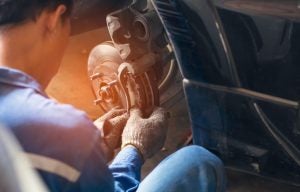
Mechanic servicing the brake pads on a car near Orangeburg, SC

How Often Should You Change Your Kia's Brake Pads?

Brake pads are a vital part of your Kia's braking system. They are also a component with a limited lifespan. They wear out as they work, and they have to be replaced regularly. As your local Kia dealer, we'd like to tell you more about how important they are for your safety and how often they need to be replaced. more What Do the Pads Do? The pads fit into the brake calipers. When you use the brakes, pressurized brake fluid forces the calipers against the wheel rotors. The pads have friction material coverings. These coverings generate friction against the smooth rotors and bring them to a stop. The friction material will wear off as time passes, and the pads will need to be replaced. How Often Do You Change the Pads? On average, your pads are good for 30,000 to 50,000 miles before they need replacement. Your car manual will give you the exact replacement time for your particular model. The pads can also wear out faster depending on driving conditions, frequency of braking, and how hard you apply the brakes. The pads are 1/2" thick when they're new, and they wear slightly each time you use the brakes. When the pads reach a thickness of 1/4", they need to be replaced. Signs You Need To Replace Your Pads Glazed Pads Pads become glazed due to extended contact with the wheel rotors. If you ride your brakes, the pads are kept in contact with the rotors. This produces more friction than they're designed for. The surface of the pads becomes smooth and glass-like, and sections of the rotor develop a rough texture. Glazed pads don't provide friction anymore, and this means they need to be replaced ASAP for your safety. Screeching Pads As we've seen, the pads slowly wear down. When your pads reach a thickness of 1/4", a metal spike becomes visible inside the pad. This spike is built into the pad by the manufacturer as a warning. The next time you apply the brakes, the metal spike will scratch against the rotor and produce a harsh screeching sound. When you hear this, it's time to replace your pads. Grinding Noises If the pads aren't replaced when they screech, they will continue to wear down. Once the material covering has worn off, you'll hear a harsh grinding noise. This is the sound of the metal pads damaging the surface of the rotors. Your pads would need to be replaced immediately. Our technicians will also check your rotors for signs of damage that may need repair. Pads are quick and easy to install. Call us today at Burns Kia. Image courtesy of Gustavo Fring via Pexels

Contact Us

Fill out this form below and we'll contact you shortly
*Required Fields