

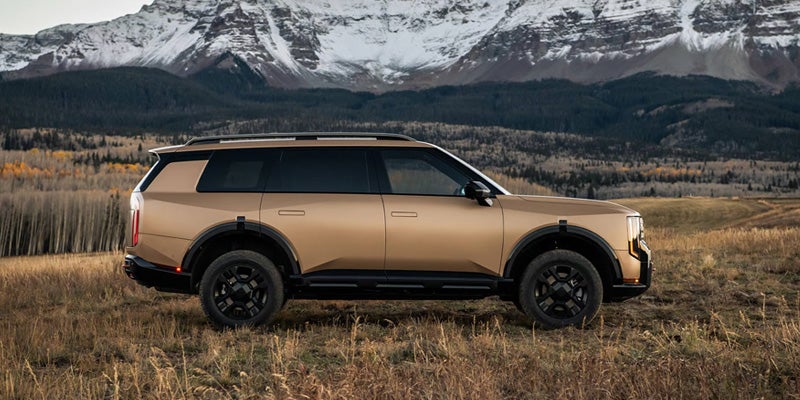
Top Fall Driving Hazards and How Your Kia Can Handle Them
Fall brings cooler mornings, colorful scenery, and plenty of opportunities to hit the road. However, changing weather conditions and shorter daylight hours can introduce driving challenges that are easy to overlook. From rain-slicked highways to unexpected wildlife crossings, autumn requires drivers to stay alert and adjust their driving habits.For Kia owners in Orangeburg, SC, preparing for seasonal road conditions means understanding potential hazards and knowing how their vehicle's available safety technologies can help. Whether you're commuting to work, heading out for a weekend getaway, or navigating neighborhood streets, a little preparation can make autumn driving more manageable.
1. Wet Roads and Slippery Leaves
Autumn rainfall can quickly create slippery driving conditions, especially when fallen leaves collect along roadways. Wet leaves may reduce tire traction, making it more difficult to brake or maintain control during turns. Standing water can also increase the risk of hydroplaning.How Your Kia Can Help
Many Kia models feature Electronic Stability Control (ESC) and a Traction Control System (TCS), which help manage wheel traction and vehicle stability under certain conditions. Anti-lock Braking Systems (ABS) can also help drivers maintain steering control during hard braking.
However, these technologies cannot overcome the limits of tire traction. Drivers should reduce their speed, avoid sudden steering movements, and maintain additional following distance when roads are wet.
Checking your Kia's tire tread depth and tire pressure before autumn road trips is another important step toward maintaining proper traction.
2. Reduced Visibility From Fog and Early Sunsets
As daylight hours become shorter, more drivers find themselves commuting before sunrise or after sunset. Early morning fog, seasonal rain, and low-angle sunlight can further reduce visibility.These conditions are particularly challenging on rural roads around Orangeburg, where limited street lighting may make it harder to spot pedestrians, cyclists, or approaching traffic.
How Your Kia Can Help
Depending on the model and trim, your Kia may offer automatic headlights, High Beam Assist, and Forward Collision-Avoidance Assist.
High Beam Assist can automatically switch between high and low beams under certain conditions, while Forward Collision-Avoidance Assist may provide warnings or braking assistance when a potential frontal collision is detected.
Keep in mind that cameras and sensors may perform differently in fog, heavy rain, or glare. Always use the appropriate headlights, keep your windshield clean, and remain attentive to surrounding traffic.
3. Wildlife Crossing the Road
Deer and other wildlife may become more active near roadways during autumn, particularly around dawn and dusk. Unexpected animal crossings can create dangerous situations when drivers brake suddenly or swerve to avoid an obstacle.Wooded areas, rural highways, and roads near open fields deserve extra attention during this season.
How Your Kia Can Help
Certain Kia models offer Forward Collision-Avoidance Assist, which is designed to detect specific road users and potential collision risks. However, drivers should never assume the system will recognize or respond to animals.
The safest approach is to reduce speed in wildlife-prone areas, scan both sides of the road, and remain prepared to brake. If an animal suddenly appears, brake firmly while maintaining control rather than making an abrupt maneuver that could cause a more serious collision.
4. Heavy Rain and Unexpected Weather Changes
South Carolina's fall weather can change quickly. A sunny afternoon may give way to heavy rain, strong winds, or thunderstorms that reduce road visibility and traction.Rainwater can also collect in low-lying areas, creating hazards that may not be immediately visible.
How Your Kia Can Help
Many Kia models include driver-assistance technologies designed to support drivers in everyday traffic situations. Available features such as Blind-Spot Collision-Avoidance Assist and Lane Keeping Assist may provide additional awareness when driving conditions become challenging.
Still, heavy rainfall can interfere with sensors and cameras, so these features should never replace careful driving.
Avoid driving through standing water when its depth is unknown, use your headlights when required, and increase your following distance. If visibility becomes severely limited, find a safe location to stop until conditions improve.
5. Tire Pressure Changes During Cooler Weather
Temperature fluctuations are common during fall, and cooler mornings can affect tire pressure. As outdoor temperatures drop, tire pressure generally decreases, potentially affecting handling, tire wear, and fuel efficiency.Improperly inflated tires can also create additional challenges on wet or uneven roads.
How Your Kia Can Help
Kia models are equipped with a Tire Pressure Monitoring System (TPMS), which alerts drivers when tire pressure falls significantly below the recommended level.
Although this feature provides helpful information, regular manual tire pressure checks remain important.
Use the recommended cold tire pressure listed on your vehicle's driver-side doorjamb label rather than relying on the maximum pressure printed on the tire sidewall.
Maintaining proper tire inflation can help your Kia deliver more predictable handling throughout the season.
6. School Traffic and Increased Pedestrian Activity
Fall also marks the return of busy school schedules, sporting events, and community activities. Increased pedestrian traffic near schools, neighborhoods, and shopping centers means drivers must pay close attention to their surroundings.School buses, cyclists, and children crossing streets can create unexpected stops, particularly during morning and afternoon commuting hours.
How Your Kia Can Help
Depending on the model and equipment, Kia vehicles may offer features such as Forward Collision-Avoidance Assist with pedestrian detection, Blind-Spot Collision-Avoidance Assist, and Rear Cross-Traffic Collision-Avoidance Assist.
These technologies can provide warnings or assistance in certain situations, but their detection capabilities have limitations.
Drivers should always observe school-zone speed limits, check intersections carefully, and remain prepared for sudden pedestrian movement.
Essential Fall Maintenance Tips for Your Kia
Your driving habits are only part of preparing for autumn. Seasonal maintenance helps keep important vehicle components in proper working condition as road and weather conditions change.Before heading out on your next fall adventure, consider these maintenance essentials:
- Inspect tires: Check tread depth, tire condition, and inflation pressure to support reliable traction.
- Test your battery: Ensure your battery and electrical system are ready for cooler temperatures.
- Check windshield wipers: Replace worn blades that leave streaks or reduce visibility during rainfall.
- Inspect your brakes: Address unusual sounds, vibrations, or changes in braking performance.
- Examine exterior lighting: Verify that headlights, brake lights, and turn signals are functioning properly.
- Check essential fluids: Review engine oil, coolant, and windshield washer fluid levels according to your Kia's maintenance recommendations.
Drive Into Fall With Confidence at Burns Kia
Autumn driving presents its share of challenges, but understanding seasonal hazards and keeping your Kia properly maintained can help you prepare for changing road conditions. From wet pavement and limited visibility to cooler temperatures and increased traffic, proactive driving habits make a meaningful difference.At Burns Kia in Orangeburg, SC, our service team is here to help you prepare your Kia for the road ahead. Whether it's time for tire maintenance, a brake inspection, or routine scheduled service, we're ready to assist with your vehicle's seasonal maintenance needs.
Schedule your next service appointment with Burns Kia and enjoy everything the fall season has to offer with greater peace of mind. Visit https://www.burnskia.com/ to get started.
 Warranties include 10-year/100,000-mile powertrain and 5-year/60,000-mile basic. All warranties and roadside assistance are limited. See retailer for warranty details.